

aming Disorder is a recognised mental health condition with a very narrow range of treatment options. This pre-post study recruited 50 adult gamers from New Zealand to test the feasibility of a brief internet-delivered intervention. The intervention components were derived from Implementation Intention principles whereby the gap between intention and behaviour was targeted. The intervention delivery was in accordance with Self-Determination Theory to facilitate autonomy (personalised goals and action plans), competence (facilitated coping plans, self-monitoring, and relapse prevention) and relatedness (access to a goal coach providing written feedback and support to implement plans). Follow-up evaluation at 3-months indicated the intervention was feasible as it demonstrated rapid recruitment, program engagement (86% used the program), and high satisfaction (easy to understand and convenient). Plans most frequently focused on behavioural substitution and lifestyle change, and the most frequent barrier to change was time management followed by social pressure. Completers (n = 35) reported a significant increase in well-being and reduction in severity, intensity, and time spent gaming, which reduced from an average of 29 to 11 hours per week. Delivery of a brief internet-delivered intervention shows promise and could be used to treat people experiencing problems who are unable or unwilling to access face-to-face treatment.
Highlights
Jennifer J. Park, Natalia Booth, Kathleen L. Bagot, Simone N. Rodda
Read the full publication.
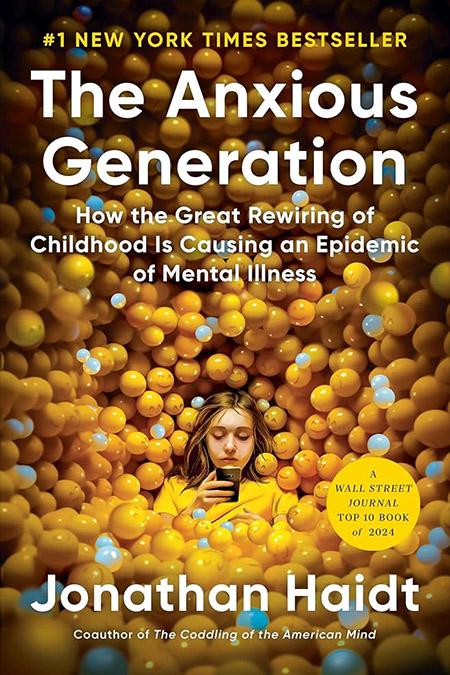
In The Anxious Generation, social psychologist Jonathan Haidt presents more than a dozen mechanisms by which this “great rewiring of childhood” has interfered with children’s social and neurological development, covering everything from sleep deprivation to attention fragmentation, addiction, loneliness, social contagion, social comparison and perfectionism.
Read More
As the world digitises, children and adolescents are increasingly using digital technologies. These devices offer benefits such as exposure to social contacts and support, potential learning opportunities and access to health promotion material. However, along with these benefits, emerging evidence is indicating that frequent, extended use of digital devices is associated with negative impacts on the health and wellbeing of children and adolescents.
Read More
Gaming platforms and social media pose similar risks for children: excessive time spent online, and potential exposure to predators, harmful content or bullying. Dr Daniela Vecchio wonders why gaming platforms have not been included in Australia's "world-first" social media ban for under-16s.
Read MoreWe greatly appreciate your feedback on this website and would like to know what information you found useful and what services you would like to see next. Please take a couple of minutes to let us know.
survey


