

uthorities in the European Union said that the video-sharing platform TikTok is in breach of online content regulations, warning the company to change “addictive” features in order to protect minors from compulsive use.
The European Commission shared the preliminary conclusions of a probe into TikTok on Friday, stating that features such as infinite scroll, autoplay, push notifications, and a personalised recommendation algorithm encouraged addiction.
“TikTok has to take actions and they have to change the design of their service in Europe to protect our minors,” EU tech chief Henna Virkkunen told reporters.
European Commission spokesperson Thomas Regnier said the “measures that TikTok has in place are simply not enough”.
“These features lead to the compulsive use of the app, especially for our kids, and this poses major risks to their mental health and wellbeing,” Regnier said, stating that the app is in violation of the Digital Services Act.
Read the full article on Al Jazeera.

Gaming platforms and social media pose similar risks for children: excessive time spent online, and potential exposure to predators, harmful content or bullying. Dr Daniela Vecchio wonders why gaming platforms have not been included in Australia's "world-first" social media ban for under-16s.
Read More
There's a new addiction in New Zealand - more than a third of Kiwis say they are hooked on their screens and many are blaming Covid for it. As the country enters its second week of lockdown, New Zealanders have been averaging five hours of screen time a day on top of using devices for work and school since the Covid pandemic started last year, a new NortonLifeLock study has found.
Read More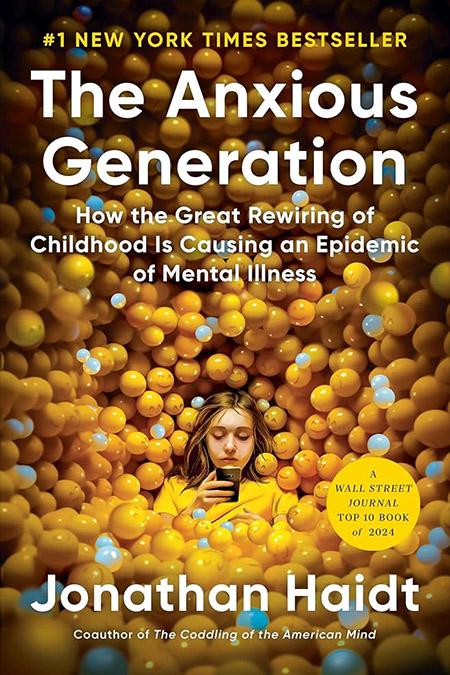
In The Anxious Generation, social psychologist Jonathan Haidt presents more than a dozen mechanisms by which this “great rewiring of childhood” has interfered with children’s social and neurological development, covering everything from sleep deprivation to attention fragmentation, addiction, loneliness, social contagion, social comparison and perfectionism.
Read MoreWe greatly appreciate your feedback on this website and would like to know what information you found useful and what services you would like to see next. Please take a couple of minutes to let us know.
survey


